
Redesigning Work, Workforce, and Organization
Research suggests that tasks occupying more than half of current work hours could be automated by agents. But that does not mean half of all jobs will disappear. Most roles will change, not vanish — and the challenge is understanding how those shifts ripple through work design, workforce composition, and organizational structure.
In this two-part masterclass, TalentNeuron brings together experts to unpack how leading organizations are navigating that sequence and what it takes to emerge with a workforce built for what comes next.
Watch the Replay

What Comes After Automation?
Automation changes the work. But most organizations cannot see that change clearly enough to act on it. As tasks shift and roles evolve, leaders are left making high-stakes decisions without a clear view of where value is created, where it is lost, and what needs to change next.
In this session, TalentNeuron's Florian Fleischmann joins Erika Oliver of Aptitude Research and Koreen Pagano of Talent Rewire to examine the challenges emerging in automation's wake and why so many organizations are struggling to translate AI investment into quantifiable impact.
We’ll discuss:
- Why automation adoption alone does not deliver business value — and what actually does
- How to identify where automation is reshaping work across tasks, roles, and cost structures
- What separates organizations that convert automation into sustained performance from those that stall
Florian Fleischmann, SVP AI and Business Transformation, TalentNeuron Erika Oliver, Executive Analyst, Aptitude Research Koreen Pagano, CEO, Talent Rewire | Co-Founder, Rising Tide Cooperative.
Each program has been approved for 1 Business recertification credit hour toward aPHR®, aPHRi™, PHR®, PHRca®, SPHR®, GPHR®, PHRi™ and SPHRi™recertification through HR Certification Institute® (HRCI®).
Rebuilding the Organization: Work, Humans, and Agents
If automation changes the work, organizational design determines whether that change creates value.
Most org design processes remain static — built on roles and structures that cannot adapt to shifting tasks, evolving skill demand, or external labor market realities. The result is a growing gap between how work is actually performed and how organizations are structured to perform it.
This session walks through how to redesign the organization using real-time intelligence across work, workforce, and market dynamics.
You will learn:
- How to use automation impact insights to inform structural workforce decisions
- A practical framework for defining human and agent roles within the organization
- How to align organizational design with external labor market constraints and opportunities
Each program has been approved for 1 Business recertification credit hour toward aPHR®, aPHRi™, PHR®, PHRca®, SPHR®, GPHR®, PHRi™ and SPHRi™recertification through HR Certification Institute® (HRCI®).
Featured Presenters
Masterclass sessions will be led by TalentNeuron experts:

Florian leads TalentNeuron's AI and innovation practice, helping organizations navigate the intersection of artificial intelligence and workforce strategy. He is a frequent speaker on the business transformation implications of AI adoption and agentic work design.
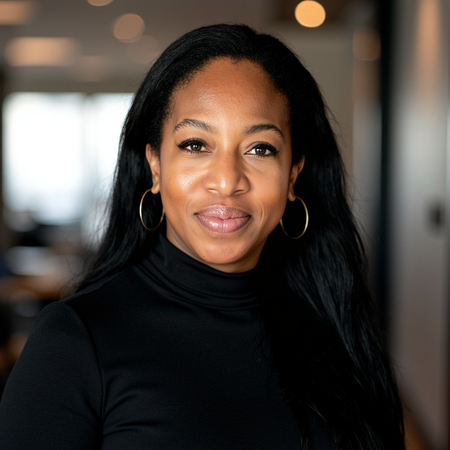
Erika specializes in workforce analytics, HR technology, and talent acquisition strategy. As both an analyst and product leader, she brings a practitioner's perspective to the evolving HCM landscape — bridging technical innovation with human-centered approaches to help organizations transform their workforce planning for sustainable growth.

Koreen helps HR and L&D leaders build people and AI transformation strategies that turn workforce disruption into competitive advantage. She is the author of Building the Skills-Based Organization and Immersive Learning and is a globally recognized speaker on the future of work and AI transformation.
Why this masterclass matters now more than ever
According to the World Economic Forum's Future of Jobs Report, 86% of companies worldwide expect AI to transform their business by 2030.
15%
projected decrease in the human share of work by 2030 due to automation
(PwC, Global Crisis and Resilience Survey 2023)
22%
of jobs will be created, eliminated, or redesigned over the next five years
(World Economic Forum)
39%
of current skills will become outdated
(World Economic Forum)
